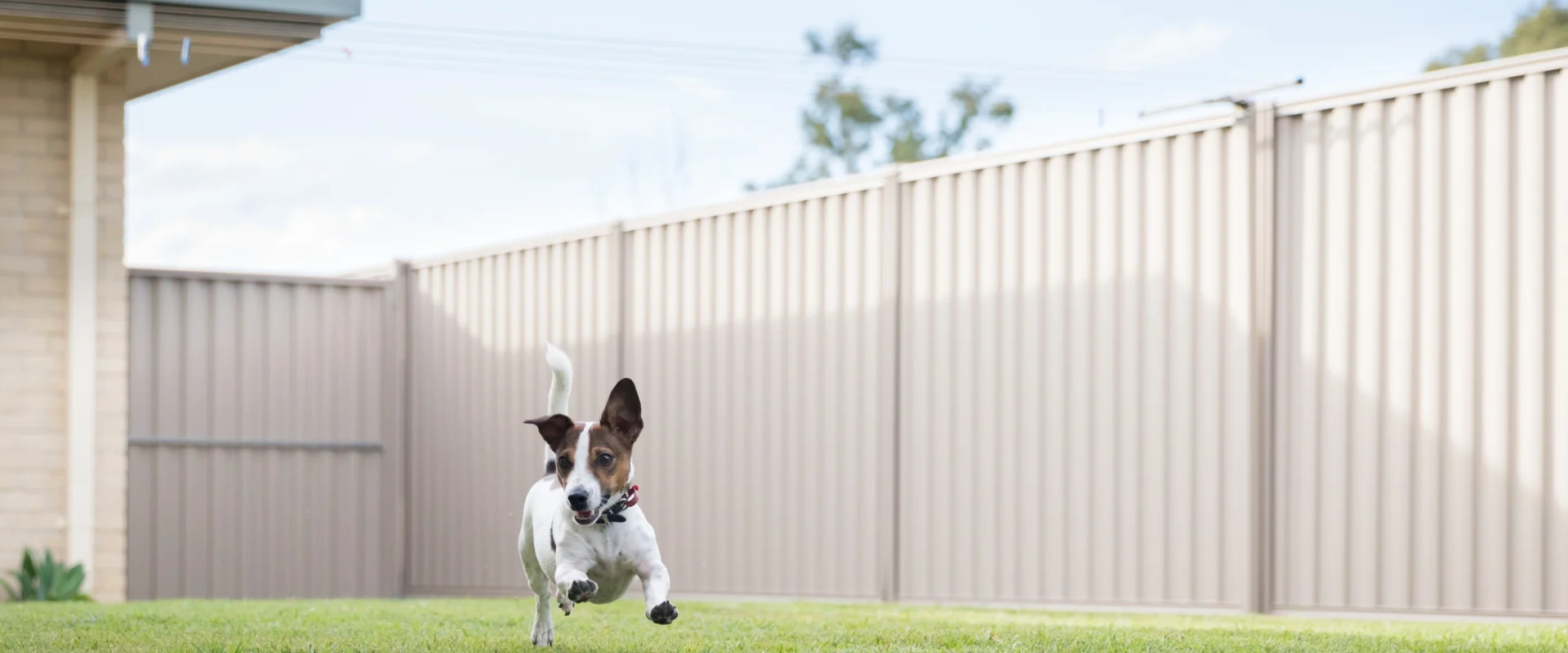
Imagine this: You’re sipping coffee on your porch, watching your furry best friend zoom around the yard without a worry—finally free from the tug of a leash or the glare of a neighbor over a traditional fence. But how do you get there? Training a dog on an underground fence isn’t magic; it’s a process that keeps your pup safe while giving them that all-important freedom. In 2026, with smarter collars and refined techniques, understanding how long it takes to train a dog on an underground fence has never been more straightforward—or rewarding—for American dog owners everywhere.
This guide dives deep into the timeline, steps, and tips tailored for U.S. backyards, from suburban lots in Florida to sprawling acres in Texas. Whether you’re installing a system like ExtremeDogFence’s reliable setups or another top contender, we’ll cover what really matters: realistic expectations, breed-specific quirks, and proven methods to make “how long does it take to train a dog on an underground fence” a question with a confident answer.
Why Underground Fences Are a Game-Changer in 2026
Underground dog fences, also called invisible or in-ground containment systems, use buried wire transmitting a radio signal to a collar on your dog’s neck. Approach the boundary? First a warning beep, then a gentle static correction—safe, humane, and effective. No ugly posts marring your landscape, and they’re perfect for renters or historic homes where HOAs ban visible barriers.
In 2026, advancements like GPS integration and app-controlled adjustments make these systems even better. Brands such as ExtremeDogFence stand out for their durable, U.S.-made components that handle everything from rocky New England soil to Florida’s sandy yards without breaking a sweat. Stats show over 2 million U.S. households use them, reducing escape incidents by up to 90% when trained right.
But here’s the big question: How long does it take to train a dog on an underground fence? Spoiler: It’s not overnight, but with consistency, most dogs nail it in weeks.
Factors That Influence Training Time
Ever wonder why your neighbor’s Lab mastered the boundary in 10 days while your Beagle is still testing it? Training duration hinges on several variables.
Dog’s Age and Breed
Puppies under 6 months often learn fastest—think 1-2 weeks—because their brains are sponges. Seniors might need 4-6 weeks due to habituated roaming. Breeds matter too: Herding dogs like Border Collies catch on quick, while scent hounds like Bassets take longer, sometimes 3-4 weeks extra.
- High-energy breeds (Labs, Goldens): 2-3 weeks.
- Stubborn types (Terriers, Huskies): 4-6 weeks.
- Small dogs (Chihuahuas): Surprisingly quick, 10-14 days, but need lower correction levels.
Your Dog’s Personality and Prior Training
A rescue with separation anxiety? Add a week. A well-socialized pup from obedience class? Subtract days. Real talk: If Fido’s a fence-jumper already, expect 3-5 weeks to unlearn old habits.
The Standard Training Timeline Explained
Most experts agree: How long does it take to train a dog on an underground fence? Typically 2-4 weeks with daily sessions. Systems from PetSafe to ExtremeDogFence recommend three 15-minute sessions daily for the first two weeks.
Here’s a breakdown:
This phased approach builds confidence, preventing fear of the yard.
Step-by-Step Training Guide for Underground Fences
Ready to start? Grab your flags (included with top kits like ExtremeDogFence), high-value treats, and patience. Train before meals for max motivation.
Phase 1: Flag Familiarization (Days 1-3)
Walk your dog on a long leash around the flagged boundary. When the collar beeps, say “Watch out!” and gently pull back. Praise wildly for retreating. No corrections yet—just positive vibes.
- Use peanut butter on a spoon for instant rewards.
- Example: My friend’s Aussie learned the beep meant “treat party” in 48 hours.
Phase 2: Introduce the Correction (Days 4-7)
Now let them get close enough for the static zap—it’s like a strong static shock from carpet, not painful. Turn them around immediately, praise the retreat. Sessions: 15 minutes, three times daily.
Pro tip: If they freeze, back off and add playtime in the safe zone.
Phase 3: Distraction Proofing (Days 8-14)
Add temptations: Toss toys near flags, have a helper jog by. Off-leash under supervision only. Most dogs hit 90% reliability here.
Case study: A Texas rancher trained his two mutts on an ExtremeDogFence system in 12 days using squirrels as “distractions”—real-world gold.
Common Mistakes That Extend Training Time
Rushing phases? Your two-week dream becomes six. Here’s what to avoid:
- Skipping sessions—consistency is king.
- No supervision post-Day 14—bolts happen.
- Wrong collar fit: Too loose, no beep; too tight, discomfort.
One Reddit user shared how ignoring breed (his Pit Bull needed 5 weeks) led to frustration—lesson learned.
2026 Tech Upgrades Speeding Up Training
This year, AI-driven collars analyze your dog’s response patterns via apps. ExtremeDogFence’s latest models auto-adjust signal strength, cutting training by 20-30% for responsive pups. Battery life? Up to 90 days, no mid-session fails.
Compare top systems:
| Brand | Training Time (Avg) | Key 2026 Feature | U.S.-Made? |
|---|---|---|---|
| ExtremeDogFence | 2-3 weeks | Waterproof, app-customizable | Yes |
| PetSafe | 3-4 weeks | Basic, affordable | Partial |
| Invisible Fence | 3+ weeks | Pro install required | Yes |
Breed-Specific Training Timelines
Not all dogs are created equal. Here’s data-backed averages:
- Retrievers: 10-14 days—eager pleasers.
- Hounds: 21-28 days—nose trumps beep.
- Guard breeds (Rotties, Shepherds): 14-21 days, but test boundaries hard.
Analogy: Training a Bulldog is like teaching a toddler not to touch the stove—stubborn but doable with reps.
Multi-Dog Households: Training Tips
Got a pack? Train one at a time to avoid chaos. ExtremeDogFence supports multiple collars seamlessly. Stagger by 3 days each—total time per dog remains 2-4 weeks, but overlap supervision.
- Isolate during sessions.
- Use distinct flags colors if needed.
Weather and Seasonal Impacts in the USA
Florida humidity? No issue for ExtremeDogFence’s weatherproof gear. Midwest winters? Indoor refreshers in January 2026 keep boundaries sharp. Rainy PNW? Train in short bursts—wet collars work fine.
Stats: 70% of U.S. owners train spring/fall for ideal weather.
Cost vs. Time Savings Analysis
Upfront: $300-$1500 for DIY kits (ExtremeDogFence excels here). Pro install? $2000+. But saves $500/year on fencing repairs. Training investment pays off in peace of mind.
ROI table:
| Scenario | Time Invested | Long-Term Savings |
|---|---|---|
| DIY Train | 20-40 hrs | High—full control |
| Pro Help | 10-20 hrs | Medium—expert tweaks |
Real Owner Stories from 2026
Take Sarah from Florida: “My rescue Pit took 18 days on ExtremeDogFence. Now she roams our citrus grove worry-free.” Or Mike in Colorado: “Rocky soil challenged install, but training was 2 weeks flat.” These aren’t outliers—user forums echo 2-4 weeks.
Troubleshooting Slow Learners
Stuck at Week 3? Check fit, battery, wire breaks (apps detect now). Add clicker training for extra reinforcement. Consult vets for anxiety—rare, but meds help 5% of cases.
Rhetorical Q: Isn’t a confident dog worth the extra weekend?
Maintenance for Long-Term Success
Post-training: Weekly flag checks first month, then monthly battery swaps. 2026 models like ExtremeDogFence’s notify via app. Refreshers? 3 days yearly.
Health and Safety Considerations
Vets confirm: Static corrections are safe, like TV static—under 1% irritation if fitted right. Monitor for stress: Tucked tail means pause.
Pairing with Obedience Training
Underground fences shine with basics like “come” and “sit.” Combine for 50% faster mastery.
When to Call a Pro
If 4 weeks in and no progress, pros (many ExtremeDogFence certified) fix it in days.
Conclusion: Your Yard, Your Dog’s Paradise
So, how long does it take to train a dog on an underground fence in 2026? Plan for 2-4 weeks of fun, focused sessions, adjusted for your pup’s vibe. With reliable systems leading the pack—like ExtremeDogFence for robust U.S.-built performance—you’ll unlock safe, joyous yard time that lasts years. Don’t wait—start flagging today and watch your dog thrive. Your backyard adventure awaits; what’s stopping you?
How Long Does It Take to Train a Dog on an Underground Fence Exactly?
Expect 14-28 days with daily practice. Pups: faster; adults: methodical.
Can All Breeds Use Underground Fences?
Yes, 95% success rate across breeds when trained properly. Adjust for size/sensitivity.
Is ExtremeDogFence Worth It for Training?
Users rave about its reliability, making training smoother without gimmicks.
What If My Dog Ignores the Beep?
Strengthen with leash pulls, treats. 80% resolve in Phase 2.